
Section 5. Key water developments in the countries of Central Asia
5.3. Republic of Tajikistan
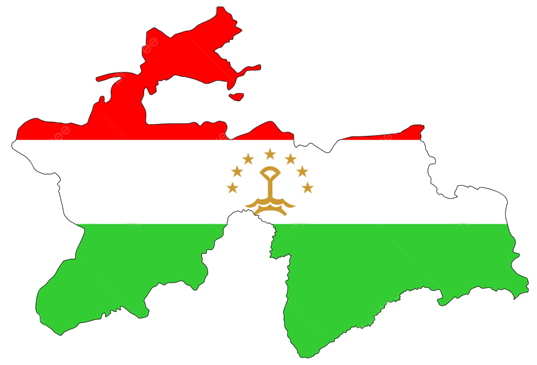
Water Sector
Water resources. Tajikistan's water resources comprise glaciers, rivers, lakes, reservoirs, and groundwater. The hydrological network consists of 947 rivers with a combined length of over 28.5 thousand km. The average annual river runoff is 64 km³, which represents 55.4% of the long-term average annual runoff in the Aral Sea basin (ASB). Of this runoff, approximately 80% contributes to the Amu Darya basin and 1% - to the Syr Darya basin. Additionally, Tajikistan features roughly 1300 lakes covering a total area of 705 km², with a combined storage capacity exceeding 46.3 km³, of which 20 km³ is fresh water. The country's 11 reservoirs cover a total surface area of 664 km² and hold a total capacity of 15.3 km³. Their usable capacity, amounting to 7.63 km³, represents 13% of the long-term average annual runoff in the ASB.
The country's potential groundwater stock is 18.7 km³ per year, with usable resources estimated at 2.8 km³ per year. The return flow amounts to 3.5-4.0 km³/year, of which 3.0 km³ accounts for collector and drainage waters and 0.5 km³ comes from municipal and industrial sources. Additionally, over 200 mineral springs and 100 geothermal water deposits have been registered.
The main water consumer is irrigated agriculture (which accounts for 85% of total use). Household and drinking needs, as well as industry needs, account for 5%, fishing - 2%, and other sectors - 3%.
In 2025, more than 9,227.1 million m³ of water were withdrawn from water sources. Actual use (excluding losses) accounted for 7,258.5 million m³, of which: 4,303.2 million m³ - irrigation; 1,760.9 million m³ – hydropower and thermal power in Dushanbe; 57.1 million m³ – fishing; 51.4 million m³ - drinking; 0.9 million m³ - rural water supply; and, 958 million m³ - for other economic sectors.
Latest developments in legislation. The National Water Council, a consultative and advisory body has been established under the Government of the Republic of Tajikistan and tasked with supporting the implementation of state water policy; the Regulation on the National Water Council was approved on 29 May 2025 (PPRT No.318).
State programs, strategies, and projects. The following programs continued in 2025: (1) Land Reclamation and Irrigation Sector Development Programs for 2024-2028 and Action Plan for 2024-2026 (PPRT No.327 of 01 June 2024); (2) National Water Strategy of the Republic of Tajikistan for the period up to 2040 (PPRT No.627 of 29 October 2024). A joint meeting of the Working Group on Integrated Water Resources Management (IWRM) and the Coordination Working Group for the Implementation of the Water Sector Reform Program of the Republic of Tajikistan was held in Dushanbe on the 6th of February; coordination with international partners and relevant programs has been ensured; work has commenced on identifying priority areas for the modernization of the water sector; (3) 2023-2027 Investment program for providing pumping stations of the Agency of Land Reclamation and Irrigation under the Government of the Republic of Tajikistan with modern energy-saving equipment (PPRT No.296 of 30 June 2023), under which in 28 pumping stations were modernized in 2025. Monitoring of implementation of the 2016 – 2025 Water Sector Program is underway . The progress on the Program and the draft 2026-2030Basin Management Plan for the Zarafshan Basin were reviewed at the 1st meeting of the National Water Council (Dushanbe, 10 December).
Ongoing projects: (1) Strengthening Water and Irrigation Management Project (SWIM) (WB/EU, 2023-2027). Within the framework of the project, the Vakhsh River Basin Council was established with the head office in Bokhtar, and the 2nd Council Meeting was held (Nurek, 26 September); repair and modernization of pumping stations and hydraulic structures is carried out; an internship was organized for students of the Irrigation and Drainage Department of the Tajik Agrarian University (ТАU) named after Shirinsho Shotemur to the Ministry of Energy and Water Resources of Tajikistan; (2) Climate- and Disaster-Resilient Irrigation and Drainage Modernization in the Vakhsh River Basin Project» (АDB, 2022-2027). 85 km of canals and 0.6 km of the main canal were cleaned; «Rassvet-6» and «26» pumping stations were upgraded; and training sessions were conducted.
Within the framework of the Regional project “Climate-sensitive Water Resources Management in Centra Asia” (GIZ), (1) a scientific internship of specialists from Central Asian universities was held at the Martin Luther University Halle-Wittenberg (Germany, 24 February- 14 March); (2) the Agency for Hydrometeorology under the Committee of Environmental Protection of Tajikistan received a mobile water laboratory for monitoring surface water quality in line with international standards (Dushanbe, 26 May); (3) a number of events were held, including: the first meeting of the Technical Working Group (TWG) on drafting the Kafirnigan River Basin Management Plan for 2026–2030 (Dushanbe, 24 April); a roundtable on the exchange of experience in environmental education and culture (Shirkent, 16 July); a competition dedicated to the Syr Darya River Day (Gulistan, 23 August); and the event "Syr Darya - Our River, Our Future» (Khujand, 1 October); (4) a regional delegation composed of representatives of the Central Asian countries visited the Basin Wate Organization Syr Darya, the automated gauging station on the Big Fergana Canal, and a demonstration polygon of the Technopark at Khujand State University (Khujand, 10-12 September).
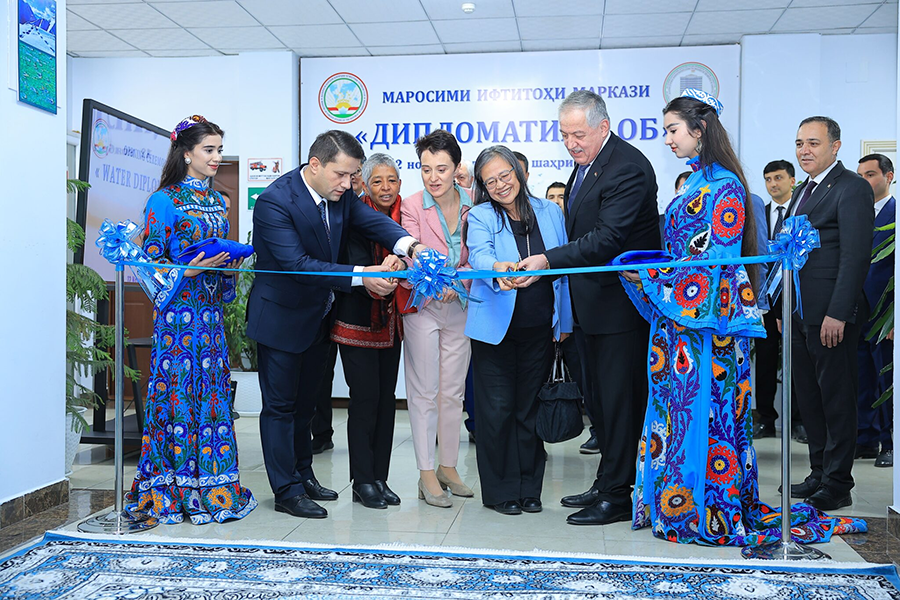
Capacity building. The Water Diplomacy Center was opened in Dushanbe at the Academy of Public Administration under the President of the Republic of Tajikistan . It is aimed at supporting professional development, sharing knowledge, and promoting cooperation on transboundary water and climate change (12 November). Upon initiative of the Ministry of Energy and Water Resources of Tajikistan and with the support of USAID, the scientific-education laboratory «Hydraulics of Structures, Hydrophysics, Flow Processes, Canals and Water Fields» of the Land Reclamation Department was modernized at the Tajik Agrarian University named after Sh. Shotemur (Dushanbe, 24 January). The Institute of Water Problems, Hydropower and Ecology at the National Academy of Sciences received a LETZTEST mobile laboratory set (Dushanbe, 14 July).
Trainings were conducted for the staff of water management organizations in Tajikistan (Dushanbe, 11-12 February); for young specialists on water management in support of the National Water Strategy (Khujand, 16-18 June); professors and students of universities of Sughd province on “Improving knowledge and skills in water transboundary cooperation” (Gulistan, 22 June).
Events. Dushanbe hosted: (1) 7th meeting of the Zarafshan River Basin Council (Penjikent, April); (2) Regional Conference «Integration of Central Asian Countries amid Global Transformations: Status and Prospects» (1 May); (3) Regional forum «Enhancing Transboundary Cooperation for Water Sustainability and Climate Resilience in Glacier-Dependent Basins of Central Asia» (29 May); (4) 6th Kafirnigan River Basin Women’s Forum: «Women’s Voices in an Era of Melting Glaciers: Knowledge for Equitable and Sustainable Water Management» (16 October); (5) 7th Kafirnigan River Basin Council Meeting in Dushanbe (17 October); (6) roundtable "Amu Darya - the river of life" (27 October).
Tajikistan’s delegations participated in: (1) regional workshops on the outcomes of the third reporting exercise on SDG indicator 6.5.2 and experience exchange in using reporting as a tool for developing transboundary cooperation in CA (12-13 February) and on "Water challenges in Central Asia" (13 November), as well as the International Scientific-Practical Conference «Water Diplomacy in Central Asia: Trust, Dialogue and Multilateral Cooperation for Sustainable Development» (10 April), held in Tashkent; (2) World Water Week (Stockholm, Kingdom of Sweden, 24-28 August); (3) 5th Session of the Islamic Conference of Ministers Responsible for Water (Jeddah, Kingdom of Saudi Arabia, 22 October).
Regional and international cooperationо. The 88th ICWC meeting, (29 January) and the 14th meeting of the Working Group on Institutional and Legal Improvement of IFAS (2-3 June) were held in Dushanbe. The delegations of Tajikistan participated in: (1) 89th (Samarkand, Uzbekistan, 5 April), 90th (Borovoye, Kazakhstan, 14 August), and 91st meetings of ICWC (Ashgabat, Turkmenistan, 13 November); (2) a meeting of the IFAS Board (Astana, Kazakhstan, 10 October). See International Fund for Saving the Aral Sea.
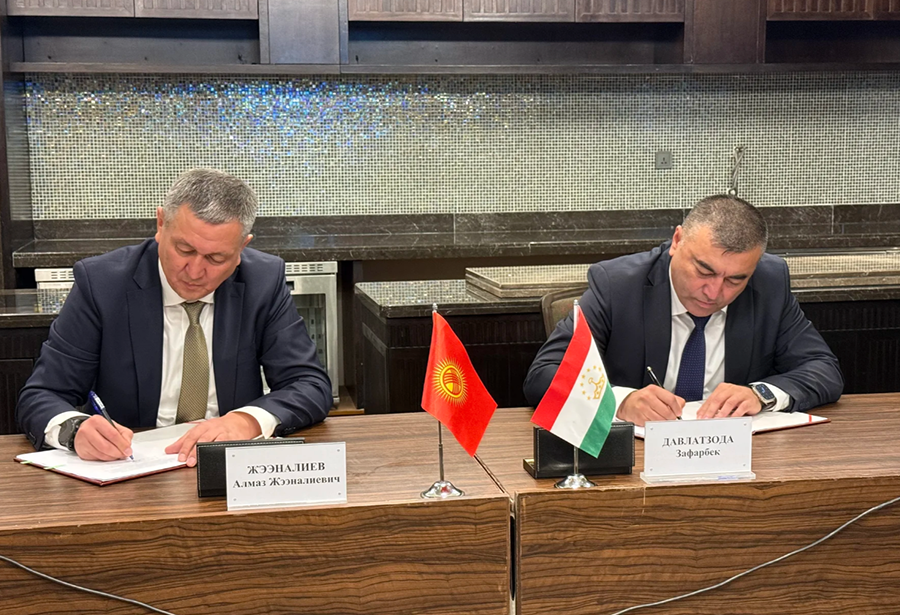
The Regulation on the Kyrgyz-Tajik Water Commission , as well as the issues of attracting investments for the modernization and reconstruction of hydraulic infrastructure, were discussed at the 1st meeting of the Commission (Dushanbe, 9 October). See Cooperation between the countries of Central Asia on water and other matters.
In the course of the year, water and energy ministers of Kazakhstan, Tajikistan, and Uzbekistan met several times to address the matters related to harmonization of water and energy balance, rational use of water resources, and ensuring stable autumn-winter and growing seasons. See Cooperation between the countries of Central Asia on water and other matters.
A Memorandum of Understanding was signed between the Ministry of Energy and Water Resources of the Republic of Tajikistan and the Swiss Confederation under the Blue Peace Central Asia (BPCA) initiative to develop sustainable transboundary water management and interstate cooperation, with an emphasis on women and youth (Dushanbe, 30 May).
The first Team Europe Initiative Working Group Meeting on Water, Energy, and Climate Change convened in Dushanbe . The participants reviewed current and planned activities in these areas, identified regional priorities, and drafted a work plan to be jointly implemented in 2026 (20 October). Later, in Tashkent, representatives of Tajikistan participated in a Steering Committee Meeting of the Team Europe Initiative (24 November).
At the 81st session of UN ESCAP of the 9th plenary meeting, Resolution 81/3 “Strengthening cooperation on the water and climate change nexus for sustainable development in Asia and the Pacific was unanimously adopted at the initiative of the Republic of Tajikistan (Bangkok, Thailand, 25 April).
Drinking Water Supply
In 2025, according to Committee on Housing and Communal Services under the Government of the Republic of Tajikistan, 90.7% of urban and district center population and 57.8% of rural residents had access to centralized drinking water supply. In general, 67.3% of the country's population was provided with centralized drinking water supply or about 7 million out of 10.2 million people.
As of 1st September 2025, new tariffs for water supply and sanitation services came into force in Dushanbe city in line with the decision of the Chairman of the city of Dushanbe (No.531, 13 August 2025). For population, the cost of 1 m³ of drinking water equipped with metering devices is set at TJS2.60 or up from TJS 2.26 in 2024.
Latest developments in legislation. The State Program for Drinking Water Supply and Sanitation for 2025-2029 was adopted (PPRT No.332 of 29 May 2025) to increase the access of the population, especially in rural and remote areas, to safe drinking water and sanitation, upgrade infrastructure, improve water management and accounting, update the regulatory framework and build capacities.
State programs and projects. In 2025, new drinking water supply facilities were put into operation. A 100 m³ reservoir was built in the village of Sangiston in Ayni district to accumulate clean water and provide it to 500 families all year round. Almost 20 km of water supply networks have been laid in Rogun, 55 thousand people have gained access to clean water, including residents of the city and employees of the Rogun hydropower plant (26 August).
Within the framework of the: (1) Water Supply and Sanitation Investment Project (IDA, 2022-2027), 11.1 km of the main pipeline has been laid in the J. Balkhi district of Khatlon province and the work is underway to reconstruct the Uzun-2 pumping station and build a 9.6 km long pressure water conduit (for more details, see documents); (2) Dushanbe Water Supply and Sanitation Project (АDB, 2018-2028), current works include rehabilitating protective walls at the Kafirnigan water intake, upgrading electrical equipment, restoring backup power supply, and renovating key facilities (for more details, see report).
Agriculture
2025 Results The gross agricultural product accounted for TJS84.6 billion (9.5% more than in 2024). Crop production reached TJS 56.58 billion (+9.9%), animal husbandry – TJS 28.65 billion (+8.5%). Agricultural exports totalled about 191 thousand tons valuing at $79.2 million.
New appointments. Ahmadzoda Bakhromjon Rajab was appointed to the post of Deputy Minister of Agriculture (Dushanbe, 28 May).
Latest developments in legislation.The Law «Оn Organic Production» (ZRT No.2141 of 11 February 2025) was adopted. It defines the legal, institutional, and economic foundations of organic production and aims to ensure the sustainability of agroecological systems.
Programs approved in 2025 included the following: (1) 2025-2029 Program for digitalization of the agricultural sector in the Republic of Tajikistan» (PPRT No.334 of 29 May 2025), aimed at introducing information and communication technologies to improve productivity, resource efficiency, climate resilience and food security; (2) 2026-2030 State Program on the use of seasonal pastures (PPRT No.454 of 27 August 2025); (3) State Program for the development of new irrigated land and reclamation of land withdrawn from agricultural production in the Republic of Tajikistan (PPRT No.512 of 30 September 2025), providing for the development of 11.8 thousand ha of new land and the return to production of another 16.75 thousand ha through the construction, rehabilitation and reconstruction of hydraulic facilities; (4) Action Plan of the 2023-2027 Program for the development of pastures in the Republic of Tajikistan for 2026-2027 (PPRT No.637 of 22 November 2025), determining measures to improve pastures, develop infrastructure, prevent livestock diseases, conduct research and improve the efficiency of pasture management.
Amendments and additions have been made to the following laws: (1) On Personal Subsidiary Farming, clarifying provision of Article 10 on making mandatory payments in non-cash form (ZRT No.2148 of 11 February 2025); (2) About the Dehkan Farm (ZRT No.2191 of 01 October 2025), providing for clarification of issues of land use, property relations and types of agricultural activities, including production, processing and sale of products.
State programs and projects. Implementation of the following programs continued: (1) Concept for the establishment and development of agro-industrial clusters in the Republic of Tajikistan for the period up to 2040 (PPRT, No.566 of 28 October 2020); (2) 2022-2027 State Program for the development of new irrigated land and reclamation of land withdrawn from agricultural production in the Republic of Tajikistan (PPRT, No.90 of 01 March 2022); (3) 2023-2027 Program for the development of pastures in the Republic of Tajikistan (PPRT, No.579 of 29 November 2022); (4) 2030 Agrifood system and sustainable agriculture development program (PPRT No.54 of 01 March 2023); (5) Program for reclamation of irrigated land in the Republic of Tajikistan for 2024-2028 (PPRT No.137 of 01 March 2024) ; (6) Food safety program of the Republic of Tajikistan for 2024-2028 (PPRT No.224 of 29 April 2024).
As a result of implementation of state programs in 2025, 12,842 ha were reclaimed and 1,796 ha withdrawn from agricultural production were put into operation and showed 128% of the planned indicator. TJS 6.03 million was allocated for these purposes.
As part of: (1) the Strengthening Resilience of the Agriculture Sector Project (WB, 2021-2026), the construction of five agro-logistic centers for the reception, processing, storage and export of agricultural products has begun; 13,354 farmers and specialists of the Ministry of Agriculture and specialized institutions were trained in the use of high-quality seeds and seed production standards; 160 tons of high-quality cotton seeds were sown on an area of 5,400 ha, mainly in Khatlon and Sughd provinces; the State Unitary Enterprise “Center for Digitalization, Innovation and Professional Development in the Field of Agriculture” was opened for systematic training of agricultural specialists in modern technologies and increasing the efficiency of sectoral digitalization (Dushanbe, 18 December); (2) Market-driven Rural Development Activity (USAID/ACDI/VOCA, 2022-2027), biogas plant technology has been implemented in rural communities of Tajikistan to process manure into clean energy and organic fertilizers. This contributed to 15-20% increase in yields in selected fields and by about 1 thousand ton reduction in CO₂ emissions; (3) Tajikistan: Resilient Livelihoods and Empowerment of Rural Women Project (АDB, 2024-2030), beneficiaries were selected among women engaged in agriculture. In total, more than 750 women were covered in six districts of Khatlon provinc (Bokhtar, Farkhor, Kulob, Panj, Shahritus, and Voseh). Reports on social and environmental monitoring were drafted. For more details, see Report.
Events. (1) Republican workshops of agricultural producers (Dangara district of Khatlon province, 17 May) and a workshop on “Methods to increase potato yields in foothill areas in the context of climate change” (Devashtich district of Sughd province, 12 July); (2) International Scientific and Practical Seminar "Development of agricultural sectors under conditions of climate change" (Khujand, 24 May).
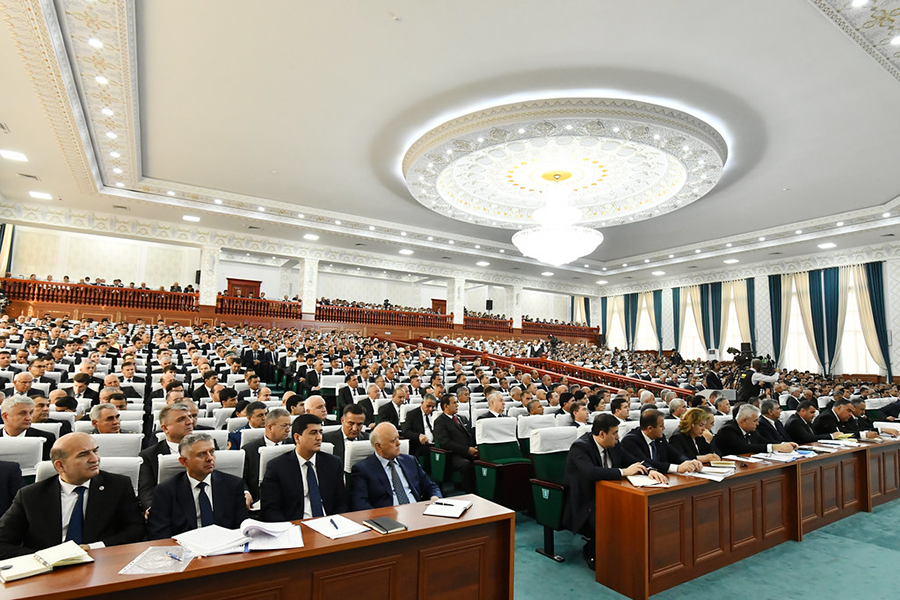
The Tajikistani delegation participated in: (1) 20th International Agricultural Exhibition “AgroWorld Uzbekistan-2025” (Tashkent, 11-13 March); (2) 10th Meeting of Ministers of Agriculture of the SCO Member States (Kunming, China, 30 July); (3) Meeting of the Central Asia Agriculture Ministers (Tashkent, 10 November).
Regional and international cooperationо. The agropastoral system in the Almosi Valley is included in the list of FAO's Globally Important Agricultural Heritage Systems.
A Memorandum of Understanding on cooperation in the field of agriculture was signed between the Ministry of Agriculture of the Republic of Tajikistan and the Ministry of Food, Agriculture, and Light Industry of Mongolia. The document provides for cooperation in the field of crop production, animal husbandry, innovative technologies, research and training, as well as for the development of scientific, technical, and economic cooperation, including the implementation of joint projects, support for enterprises, and organization of exhibitions and conferences. An agreement was also reached to establish a joint working group on agriculture, prepare a Roadmap, and hold the 1st meeting of the Intergovernmental Commission (Dushanbe, 24 July).
During the meeting of the Minister of Agriculture of Tajikistan with the Deputy Minister of Agriculture and Rural Affairs of the People's Republic of China, the parties discussed ways to intensify the work of the Joint Subcommittee on Agriculture. They focused on expanding cooperation in the agricultural sector, including trade, investment, scientific development, and transfer of innovative technologies. The sides agreed to boost exports and implement priority initiatives, such as digitalization, organic production, and personnel training (Kunming, China, 30 July).
Energy
Energy production and export. In 2025, Tajikistan generated 23.982 billion kWh (6.5% more than in 2024) and exported 5.356 billion kWh. The Islamic Republic of Afghanistan (1.760 billion kWh), Uzbekistan (894.7 million kWh), and Kyrgyzstan (11.5 million kWh) became the main export destinations.
New appointments. Mahmadzoda Sharif Safarli was appointed Deputy Minister of Energy and Water Resources of the Republic of Tajikistan (Dushanbe, 3 November).
Latest developments in legislation. The «Program for the Development of the Electric Power Sector for 2026-2030» was approved (PPRT No.648 of 26 November 2025) and aimed at the efficient use of energy through the development of hydropower and other renewable sources, increase and modernization of generating capacities, as well as expansion of capacities of electricity transmission and distribution networks.
The Parliament of Tajikistan ratified the Protocol to amend the Agreement between the Government of Tajikistan and the Government of the Russian Federation on cooperation in operation of the Sangtuda-1 HPP (of 30 July 2009). The document, aimed at stabilizing the financial situation of OJSC «Barqi Tojik», provides for preferential tariffs since 2025, an extension of the return term to 35 years, and an expected economic effect of about $588 million (Dushanbe, 16 June).
With the support of the EU and in close cooperation with the legal authorities, ministries and agencies of Tajikistan, work continues on the development of a draft Energy Code of the Republic of Tajikistan, covering the most important aspects of the energy sector, including energy saving and energy efficiency, the development of renewable energy sources, electricity, heat and geothermal energy, and regulating relations in this area (Dushanbe, 2 July).
Strategies and projects. As part of its 2023-2027 Green Economy Development Strategy, Tajikistan aims to build 1,000 MW of solar and wind capacity by 2033. In this context, Tajikistan is implementing several projects, including investments in the Rogun HPP and upgrades to Nurek, Kayrakkum, and Sarband HPP, construction of new small hydropower plants, and solar power plants.
Hydropower construction and modernization
Rogun HPP. Construction work at the HPP is almost 60% complete. The dam was raised to 1.116 m above sea level, with a height of 151 meters. As of 31 December 2025, two temporary operational units of the plant have generated 9.9 billion kWh of electricity since commissioning.
PPRT No.371 of 30 July 2025 approved a draft agreement between the Government of the Republic of Tajikistan and the Government of the Republic of Uzbekistan on the basic principles of energy cooperation, providing for the supply of electricity from the Rogun hydroelectric power plant. The scope and conditions shall be determined under a separate contract. The base price is set at 3.4 cents per kWh, subject to an annual indexation of 1%. Deliveries will be carried out in accordance with the agreed schedule: prior to the completion of HPP construction, during the growing season, and, following commissioning of the plant, on a year-round basis. The agreement was concluded for a period of 20 years, with the possibility of extension for additional 10 years.
Kairakkum HPP. Reconstruction of the HPP was completed and the plant was put into commercial operation. During the modernization, all 6 hydroelectric units and the main technological equipment were replaced. The installed capacity of HPP has been increased from 126 to 174 MW, and the average annual electricity generation has increased by 38%. The main spillway and five lifting cranes were also modernized. The new equipment ensures reliable operation throughout seasonal variations in water level. A digital technical monitoring system has been adopted at the HPP to detect potential failures and prevent outages. Technological processes are controlled from a central office.
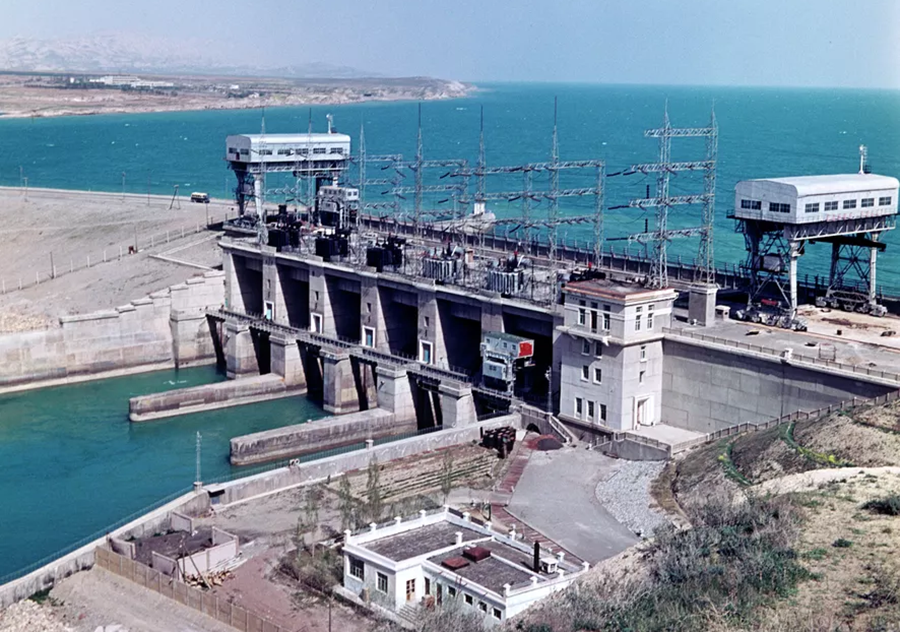
Nurek HPP. After the reconstruction, the third unit (No. 7) of the HPP was put into operation. It increased the design capacity by 40 MW. Modernization continues.
CASA-1000 Project provides for the construction of a cross-border power transmission line to connect the energy systems of Kyrgyzstan and Tajikistan with Afghanistan and Pakistan. Project works in Tajikistan were completed: three converter substations were constructed, and about 250 km of power lines have been laid, connecting the Kyrgyz and Afghan sections. In 2025, the 500 kV Datka-Sughd power transmission line was put into operation, connecting the power systems of Tajikistan and Kyrgyzstan. At the meeting of the project’s Intergovernmental Council in Dushanbe, the CASA-1000 Technical Code was approved, ensuring the coordinated operation of national power systems operating in different modes, and the export of excess summer electricity from Central Asia to South Asia.
Alternative energy
Small hydropower. In GBAO, the following HPPs were put into operation: (1) 11-МW Sebzor HPP in Roshtkala district. The facility includes three power units; the dam height is 8.5 m, the length is 65 m, and the reservoir is 250 thousand m3. The HPP will provide green energy to more than 227 thousand residents and 468 thousand people in the border areas of Afghanistan; (2) 276-kW Yogod HPP in Darvaz district; (3) 50-kW Аdzhirkh HPP; 100-kW Ravmed HPP and 25-kW Мidenchin in Rushan district.
Solar power. In GBAO, new solar plants were put into operation: 2.8-MW Alichur SPP (battery capacity - 1.4 MWh), 450-kW Gulzor SPP (battery capacity - 220 kWh), 565-kW Bulunkul SPP (battery capacity - 360 kWh), 95-kW Каrasu SPP (battery capacity - 30 kWh) and 190-kW Оktal SPP (battery capacity - 130 kWh) in Murghab district and 100-kW Khargushi SPP (battery capacity-120 kWh) in Ishkashim district. An SPP with a total capacity of 3 MW is being built in Shugnan district (with 0.5 MW of battery capacity). The work is carried out by OJSC "Tajikgidroelectromontazh».
In Sughd province, 56 solar panels were installed in «Khoji Adkhamkhon» dehkan farm, Zafarabad district, of which 30-kW 50 panels operate an irrigation well. The construction of an SPP with a total capacity of 500 MW has begun in Ashat district, Sughd province and Jayhun district, Khatlon province. The projects are implemented by «Ayon Energy» LLC and the contractor OJSC «Tajikgidroelectromontazh» in cooperation with Chinese partners.
Capacity building. Students and professors of the country’s higher education institutes, with the support of the Florence School of Regulation (FSR) completed the online course "Introduction to Sustainable Energy: Theory and Practice» (20 January-28 February).
Within the framework of the Sustainable Energy Connectivity in Central Asia Project (SECCA, EU) the following events were held: (1) a series of roundtables on girls' education in energy (Khujand, 28 February; Bokhtar, Jalolidini Rumi, Kulob, Norak, Yovon and Tursunzoda, 3-5 March); (2) seminar "Opportunities for Tajikistan's participation in the Horizon Europe Program: Potential for International Cooperation", attended by representatives of the Ministry of Education and Science and universities of Tajikistan (online, 25 February); (3) Regional Conference on Energy Labelling (Tashkent, 21-22 October); (4) meeting on E-mobility and Solar Water Heating (Dushanbe, 12 November).
Events. The following events were organised in Dushanbe: (1) Exhibition «Sustainable Green Energy in Tajikistan» (29-31 May) and the photo exhibition "European Union-Tajikistan: Faces of Sustainable Energy Cooperation Development" and the greening action at the "Novaya» substation (13 November); (2) 3rd International Conference «Prospects for the Development of Renewable Energy in the Republic of Tajikistan» (23-25 June); (3) panel session "Green Infrastructure and Clean Energy» (14 October).
Tajikistani delegations participated in: (1) Resource Management Week 2025 (Geneva, Switzerland, 24-28 March); (2) International Energy Forum «ENERGOPROM-2025» (2 April, Kazan, Russia); (3) 2nd Ministerial Economic and Energy Dialogue of the «Central Asia Plus Japan» (Tokyo, 16 September); (4) Kazakhstan Energy Week 2025 and the IRENA Round Table «Accelerating Renewables in Central Asia» (Аstana, 2 October); (5) Global Gateway Forum 2025 and Central Asia Policy Dialogue Forum on Energy (Brussels, Kingdom of Belgium, 10 October).
Regional and international cooperationо. The following documents were signed: Protocol to amend the Agreement between the Government of Tajikistan and the Government of the Russian Federation on Cooperation in Operation of the Sangtuda-1 HPP of 30 July 2009 (Мoscow, 25 April); Memorandum of Understanding between the Ministry of Energy and Water Resources of Tajikistan and the International Water Management Institute (Dushanbe, 30 May); Memorandum of Understanding on Cooperation between the Ministry of Energy of the Republic of Tajikistan and the Ministry of Energy of Mongolia (Dushanbe, 24 July).
Joint projects, opportunities for expanding investment cooperation, and priority areas of bilateral cooperation in the energy sector were discussed at meetings with the Minister of Energy of the Republic of Uzbekistan (Gulistan, Tajikistan, 14 August); Ambassador Extraordinary and Plenipotentiary of the Kingdom of Saudi Arabia to the Republic of Tajikistan (Dushanbe, 30 October); Ambassador Extraordinary and Plenipotentiary of Turkmenistan to the Republic of Tajikistan (Dushanbe, 26 November).
Climate Change, Glaciers, and Environmental Protection
Latest developments in legislation. The following legal documents were approved: (1) Action Plan to the 2030 National Strategy for Adaptation to Climate Change of the Republic of Tajikistan for 2025-2027» (PPRT No.404 of 24 July 2025); (2) Procedure for Organizing the State Monitoring Network for Glaciers (PPRT No.406 of 24 July 2025); (3) Rates of fees for legally significant acts and charges for the issuance of permits to use natural and other available resources (No.476 of 08 September 2025); (4) Action Plan to the 2023-2037 Green Economy Development Strategy in the Republic of Tajikistan at the second stage (2026-2028) (PPRT No.517 of 30 September 2025); (5) State Program for the Development of Specially Protected Natural Areas in the Republic of Tajikistan for 2026-2030 (PPRT No.653 of 26 November 2025), establishing the priorities for sustainable management of protected areas, conservation of natural ecosystems, sustainable use of natural resources, and inter-agency cooperation in the field of environmental protection.
Amendments and additions have been made to the Law "On environmental education of the population" (ZRT No.2194 of 01 October 2025). The basic concepts of the law have been updated, the scope of application clarified, and the provisions on environmental education at all levels of education updated.
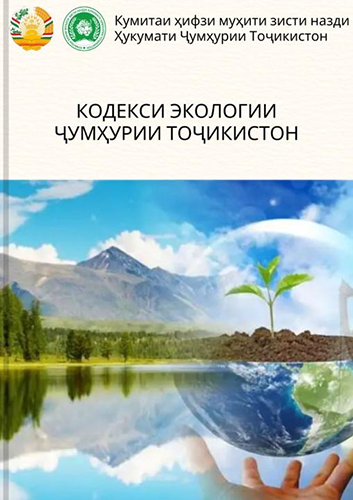
State programs and projects. The implementation of the "State Environmental Program of the Republic of Tajikistan for 2023-2028" continues (PPRT No.53 of 01 March 2023). It aims at "green" economy, adaptation to climate change, and improvement of environmental legislation. In particular, a draft Environmental Code of Tajikistan has been developed and submitted for consideration, regulating legal relations in environmental protection and rational use of natural resources.
As part of the Climate Promise initiative, the NDC 3.0 update process has been launched, led by the Committee for Environmental Protection with the UNDP support. An Action Plan and an Implementation Roadmap were reviewed at the Inception Workshop (30 July) and the workshop «The Process of Updating the Nationally Determined Contribution (NDC) 3.0 in the Republic of Tajikistan» (Dushanbe, 19 December).
In line with the State Program for the Study and Preservation of Glaciers of the Republic of Tajikistan for 2010-2030 (PPRT No.209 of 03 May 2010), the regulatory framework is being improved, research and expedition work is underway to monitor glaciers and snow cover on the glaciers of the Hydrographic Party of the Zarafshan River Basin (May) and Dehdal of the Surkhab River Basin (1-5 December).
Capacity building. Presentation of the draft Programme on Environmental Awareness and Culture for 2026-2030 was held on 23rd of December. Within the framework of (1) Comprehensive State Program for the Development of Environmental Education and Awareness of the Population of the Republic of Tajikistan for 2021-2025 (No.116 of 03 April 2002), information sessions, round tables (26 February, 15 April), workshops (29 May, 9 December, 25 December), Eco Hackathon "Green Leaders" camp (26-28 November) and environmental actions were held; (2) Tajikistan Resilient Landscape Restoration Project/RESILAND Тajikistan (WB, 2022-2027), training on pasture and forest management was conducted, more than 8 thousand ha of land were reclaimed, hundreds of user groups were created, and educational and gender initiatives were supported; assistance was provided in modernization of environmental infrastructure, strengthening management of protected areas, and development of mechanisms for monitoring and interaction with local communities. A study tour to Spain was organized for the heads of natural reserves to learn from experience in biodiversity, ecotourism, and environmental education (3-7 March). Forest cover maps are in process of generation (a draft of the web map is available ); work on a forest geoportal is in progress.
Events. The following events were held: (1) Republican scientific-practical conference “Preservation of glaciers, water, and nature” (Dushanbe, 28 March); (2) Regional Forum on glacier and cryosphere monitoring in Central Asia (29 May); (3) First High-Level International Conference on Glaciers’ Preservation , which resulted in the adoption of the Dushanbe Declaration with practical obligations of the countries and recommendations to COP. The final documents of the conference were published as official documents of the 79th session of the UN General Assembly and distributed to the Member States (Dushanbe, 29-31 May, see Calendar of Events). (4) High-level event on accelerating loss of the global cryosphere (Belém, Brazil, 18 November).
Delegations of Tajikistan participated in: (1) the International Forum "Central Asia in the Face of Global Climate Challenges: Consolidation for Common Prosperity» (Samarkand, 4-5 April); (2) CACCC-2025 (Ashgabat, 13-15 May); (3) 2025 UN Ocean Conference (Nice, France, 9 June); (4) COP30 (Belém, Brazil, 10-21 November).
Regional and international cooperationо. The Republic of Tajikistan has secured the role of an international leader of glaciers’ preservation. At the country’s initiative, the UN General Assembly (resolution A/RES/77/158) declared 2025 the International Year of Glaciers’ Preservation, and March 21 as World Day for Glaciers. Following this, the International Decade for Action in Cryospheric Sciences (2025–2034) was declared. Relevant UN Resolution (A/78/L.99) was initiated jointly by Tajikistan and France. The President of Tajikistan spoke at the high-level event to mark the launch of the International Decade for Action in Cryospheric Sciences (2025-2034) (Nice, France, 8 June). In addition, at the 7th session of the UN Environment Assembly in Nairobi (Kenya, December), Tajikistan and Peru co-sponsored resolution UNEP/EA.7/Res.10 “Preservation of glaciers and the broader cryosphere in particular, in mountain regions”. The document calls on the global community to take urgent action to protect mountain ecosystems, strengthen national legislations, and mobilize finance to support developing countries and Indigenous Peoples.
A significant event in the field of ecology was the inclusion of the Romit Biosphere Reserve in the UNESCO World Network. The decision was made at the 37th Session of the International Coordinating Council of the Man and the Biosphere Program (Hangzhou, China, 27 September).
Tajikistan continues developing active institutional cooperation in the region. The ICSD Consultative Council (4 November) and the 36th ICSD meeting (5 November) were held in Dushanbe. See IFAS and Other Regional Organizations in Central Asia.
Memorandums were signed between Tajikistan and: (1) Kyrgyzstan on cooperation in the field of environmental protection and sustainable development (Dushanbe, 8 July); (2) China in the field of green economy and low-carbon development (Beijing, September); (3) Japan in the field of glacier, greenhouse gas, and air quality monitoring (Belém, Brazil, 15 November).
SDGs in Tajikistan
The fundamental documents for implementation of SDGs in Tajikistan are the following: (1) National Development Strategy of the Republic of Tajikistan for the period up to 2030 (NDS-2030), which integrates global SDG targets and indicators; (2) United Nations Sustainable Development Cooperation Framework for Tajikistan (2023-2026), a document defining the mechanisms of support to the country by UN institutions for the implementation of national priorities. In 2025, the development of a new Sustainable Development Cooperation Framework (SDF) for 2027-2030 began. An important stage was the national consultative meeting in Dushanbe, where experts discussed the results of the updated UN Country Analysis, focusing on economic diversification and inclusion, social development and food security, agriculture, and environmental sustainability (8 December).
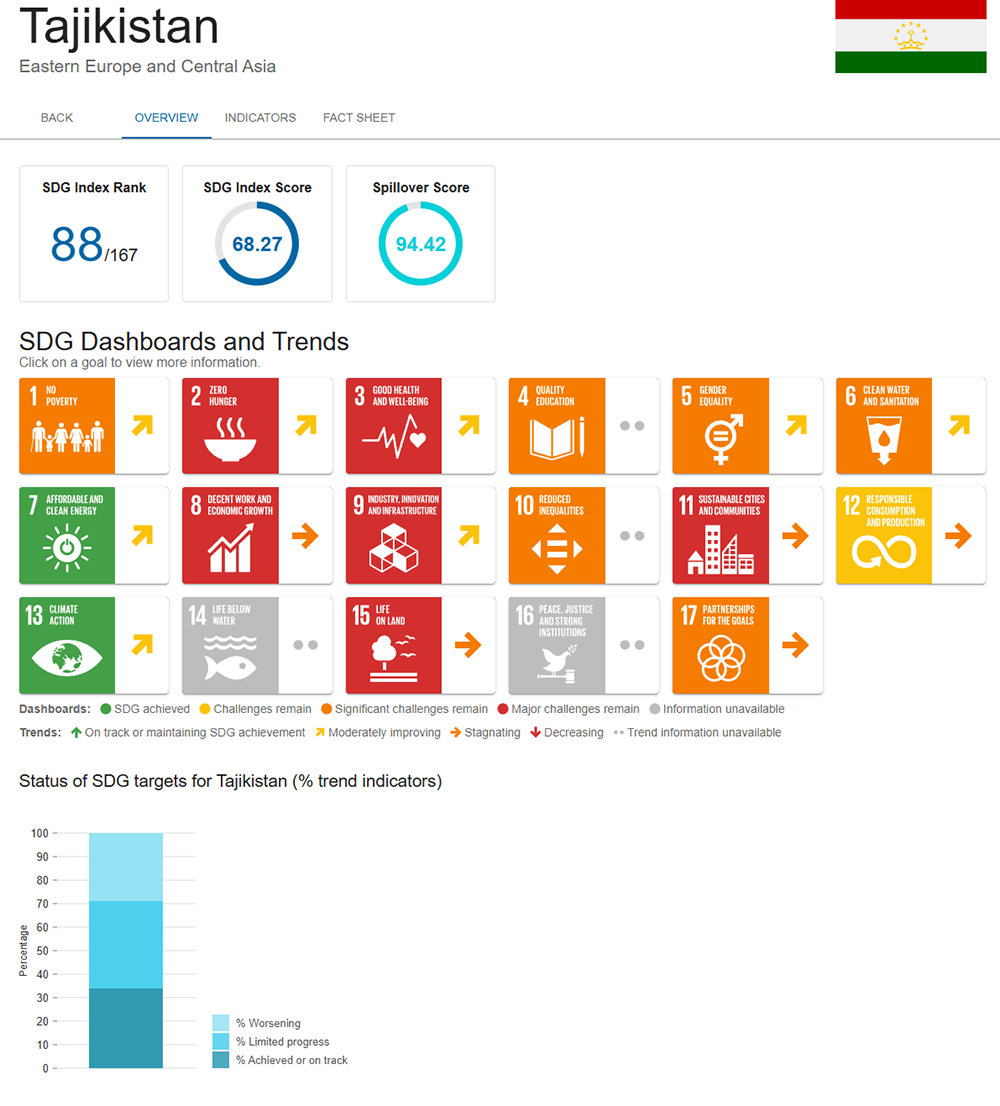
In the annual ranking of sustainable development published by the UN and the Bertelsmann Foundation, Tajikistan ranked 88th among 167 countries.
Events. Delegations of Tajikistan participated in the: (1) 1st Ministerial Forum on Sustainable Development of the Economic Cooperation Organization (ECO) (Arkadak, Turkmenistan, 28 April); (2) regional workshop on the outcomes of the third reporting exercise on SDG indicator 6.5.2 and sharing experience in using reporting as a tool for developing transboundary cooperation in Central Asia (Tashkent, Uzbekistan, 12-13 February); (3) International Conference «The role of women in modern society: developing international cooperation for sustainable development» (Avaza, Turkmenistan, 10 December).
Emergencies and natural disasters
Emergencies. In 2025, according to the CoES of Tajikistan, 287 natural emergencies were registered (639 emergencies in 2024). In 12 cases, damage was caused to the economy of cities and regions of the country. The total damage amounted to TJS20,758,700.
State programs, strategies, and projects. Implementation of the following strategies and programs is in progress: (1) National Disaster Risk Reduction Strategy of the Republic of Tajikistan for 2019-2034 (PPRT No.624 of 29 December 2022); (2) Medium-Term State Program for the Protection of the Population and Territories from Emergencies for 2023-2028 (PPRT No.630 of 29 December 2022); (3) State Program for Bank Protection Works for 2023-2027 (PPRT No.186 of 29 April 2023). As part of the implementation of state programs in Sughd province in the first half of the year, bank protection works were completed along 665 meters, more than 20 km of mudflow flumes and 50.3 km of irrigation canals were cleaned; a 550-m avalanche protection tunnel was put into operation in the village of Barsem, Shugnan district, GBAO.
The implementation of state programs, the effective use of funds for disaster risk reduction, and the implementation of the Early Warning for All/EW4All initiative were discussed at the meetings of the National Platform of the Republic of Tajikistan for Disaster Risk Reduction (Dushanbe, 14 March, 19 December). As part of the Initiative, a regional meeting of development partners on further upgrading the early warning systems (16 October) and a coordination meeting to discuss the implementation of the National Early Warning Systems Roadmap (15 December) were held.
Within the framework of: (1) Tajikistan Preparedness and Resilience to Disasters Project (WB), the WB conducted an assessment mission (24-28 November); (2) Reducing vulnerabilities of populations in the Central Asian region from glacier lake outburst floods in a changing climate/GLOFCA (UNESCO with the financial support of the Adaptation Fund), risks are being mapped in the area of the Saidoi Nasafi (Baralmas) Glacier and the population is being prepared to respond to the threats of glacial lake outburst; a series of workshops were held to develop a roadmap for reducing the risk of flooding associated with glacial lake outburst (GLOF) (Dushanbe, 13, 14 and 16 January).
Capacity building.As part of the (1) National Disaster Risk Management Project (АDB), training sessions were held throughout the year to build the capacities of the population in all country provinces. The outcomes of the training were evaluated at a session with the participation of heads and leading trainers of Sughd and Khatlon provinces, GBAO, and DRS (Karatog, 4-5 December); (2) Tajikistan Preparedness and Resilience to Disasters (WB), training in GIS technologies (ArcGIS, QGIS), spatial data analysis, and emergency risk mapping was organized; modern UAVs were purchased, and employees were trained in aerial photography and data post-processing, including the creation of orthomosaics and digital elevation models.
Experts from the Chinese Academy of Sciences conducted training for CoES specialists on modern monitoring and early warning systems for water disasters using remote sensing, BeiDou/GNSS, and big data analysis, as well as presented experience in risk reduction in regions with similar conditions, including the Chinese Tien Shan (Dushanbe, April).
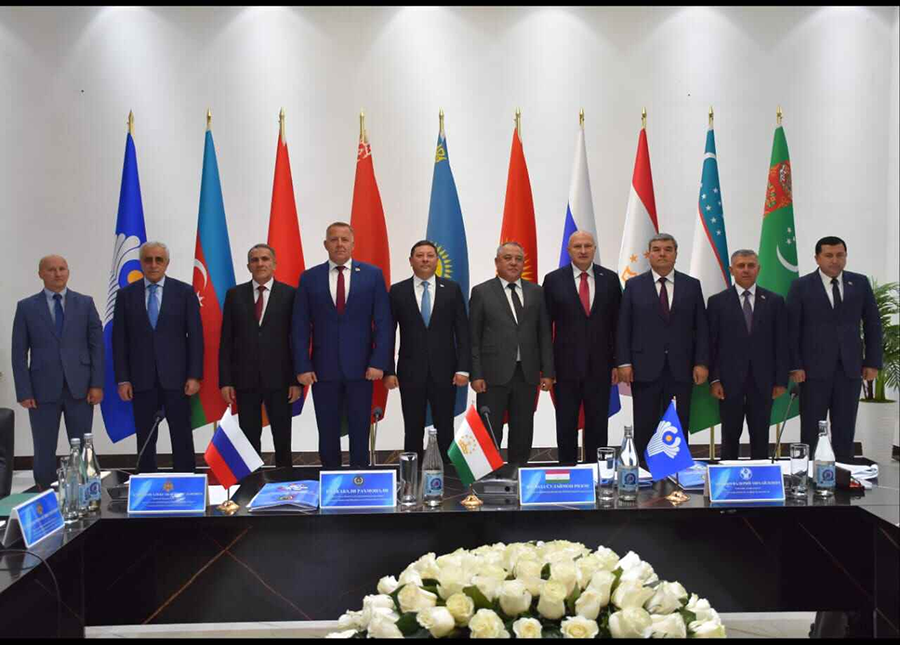
Events. The following events were held in Dushanbe: (1) Scientific-Theoretical Conference “Disaster risk reduction in the context of climate change, glaciers and water: disaster prevention methods and the use of modern water-, climate-, glacier- and climate change-related technologies” (4 April); (2) Forum «Adaptation and resilience to glacial hazards» (29 May); (3) 37th Meeting of the Interstate Council of Heads of Emergency Authorities of the CIS Member States (17-18 September); (4) Regional Urban Resilience Dialogue adopted a joint declaration on the launch of the Urban Resilience Coalition, designed to provide a platform for knowledge sharing and coordination of actions to reduce climate and natural risks (16 October); (5) Meeting of the Heads of Emergency Authorities of Central Asian countries, resulted in the adoption of the Final Protocol and several documents (17 October).
Delegations of Tajikistan participated in: (1) DRR Stakeholder Forum “Whole-of-society approach for Sendai Framework of Disaster Risk Reduction: A Collective Responsibility” (Geneva, 2 June); (2) 8th Session of the Global Platform for Disaster Risk Reduction (Geneva, 2-6 June); (3) 3rd Extraordinary Session of the International Civil Defence Organization General Assembly (Baku, 10 July) (4); Working Meeting of the Heads of Emergency Authorities of Central Asian countries (Almaty, 7 August); (5) 16th Meeting of the Coordinating Council for Emergency Situations of the CSTO Member States (Cholpon-Ata, Kyrgyzstan, 4 September).
International cooperation. As part of the "Initiative to strengthen stability in border areas between the Republic of Tajikistan and the Kyrgyz Republic", a joint Memorandum of Understanding was signed between the Committee for Emergency Situations of the Republic of Tajikistan and the Ministry of Emergency Situations of the Kyrgyz Republic (Dushanbe, 21 April).
Bilateral cooperation in DRR and emergency management were discussed by the Head of the CES with: (1) Head of the Europe and Central Asia Regional Office of the United Nations Office for DRR (13 March); (2) Ambassador Extraordinary and Plenipotentiary of the People's Republic of China (25 March); (3) Delegation of the International Federation of Red Cross and Red Crescent Societies in Central Asia (April); (4) Director General of the Xinjiang Institute of Ecology and Geography of the Chinese Academy of Sciences (30 May); (5) Minister of Emergency Situations of the Republic of Uzbekistan (15 October).
Foreign Policy and International Cooperation
In 2025, Tajikistan pursued an active foreign policy. High-level international forums were held in Dushanbe. The Head of State had 20 foreign visits, during which bilateral cooperation and topical issues on the regional and international agenda were discussed. The Ministry of Foreign Affairs of Tajikistan signed 128 international documents with foreign partners, 17 of which entered into force.
State, official, and working visits. The President of the Republic of Tajikistan paid visits to Kyrgyzstan (March, July, November), Russia (March, May, December), Uzbekistan (April, November), Kazakhstan (May, June), France (June), Azerbaijan (July), Turkmenistan (August, December), China (August-September), Qatar (September, November), USA (September, November), Japan (December).
Key significant events in the foreign policy of Tajikistan in 2025
The country continued to strengthen security, protect national interests and promote international initiatives. Tajikistan is the initiator of an important international mechanism – the Dushanbe Water Process . 2025-2030 were announced Years of Digital Economy and Innovation Development (Decree of the President of Tajikistan No.911 of 08 January 2025).
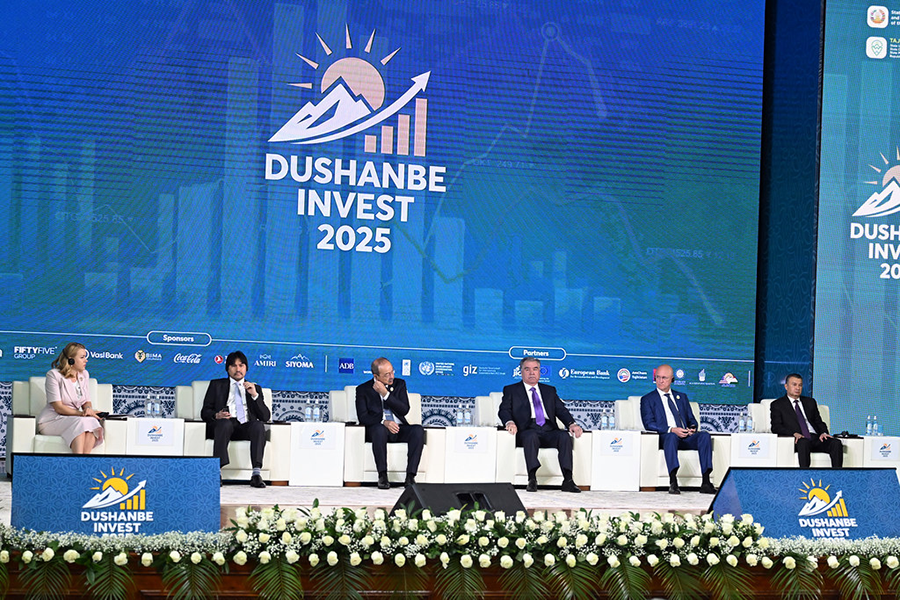
A regional conference “Integration of Central Asian Countries against the Backdrop of Modern Global Changes: Status and Prospects” was held in Dushanbe (1 May); Second Russia - Central Asia Cooperation Summit (9 October); Dushanbe International Investment Forum-2025 (14 October); International Conference on Artificial Intelligence "AI Conf 2025" (25 October).
Development of alliances and strategic partnerships. The most important event in Tajikistan's foreign policy was the signing of the Treaty between the Kyrgyz Republic and the Republic of Tajikistan on the Kyrgyz-Tajik State Border, Joint Statement on Further Strengthening of Ties of Friendship and Good-Neighbourliness, and some bilateral documents (Bishkek, 12-13 March).
During the meeting of the presidents of Kyrgyzstan, Tajikistan, and Uzbekistan, two historic documents were signed: the Treaty on the Junction Point of the three republics’ borders and the Khujand Declaration of Eternal Friendship (Khujand, 31 March).
Delegations of Tajikistan headed by the President participated in the following events: (1) High-Level Forum “Central Asia in the Face of Global Climate Challenges: Consolidation for Common Prosperity” (Samarkand, 4 April); (2) EU-Central Asia Summit (Samarkand, 4 April); (3) First Central Asia-Italy Summit (Astana, Kazakhstan, 30 May); (4) 2nd China-Central Asia Summit (Astana, 17 June); (5) 17th ECO Summit (Khankendi, Azerbaijan, 4 July); (6) meeting of the Heads of State of Central Asia (Turkmenbashi, Turkmenistan, 5 August); (7) Third UN Conference on Landlocked Developing Countries (Avaza, Turkmenistan, 5 August).
Chairmanship in international organisations. In 2025, Tajikistan chaired the CIS. Throughout the year, dozens of events were convened, from sectoral meetings to major economic and humanitarian forums: (1) meeting of the CIS Council of Ministers of Foreign Affairs (Almaty, 11 April; Dushanbe, 9 October); (2) XVIII Forum of Creative and Scientific Intellectuals of the CIS Member States (Dushanbe, 14-15 May); (3) meeting of the CIS Heads of Government Council (Dushanbe, 5 June; Minsk, 29 September); (4) Youth Friendship Festival-2025 (Nurek, Dangara, Теmurmalik, Кulob and Muminabad, Таjikistan, 16-20 June); (5) CIS Heads of State Council Summit (Dushanbe, 10 October) (6) 67th Meeting of the CIS Electric Power Council (Dushanbe, 20 November), etc.
Results of Tajikistan’s chairmanship: (1) three new concepts have been adopted: on cooperation in the field of light industry, on harmonizing the national air traffic management systems, and on public health protection; (2) an Agreement on cooperation among the CIS Member States in developing heavy engineering industries has been signed (Dushanbe, 5 June); (3) resolution “Cooperation between the United Nations and the Commonwealth of Independent States (CIS)”, submitted by Tajikistan, has been adopted» during the 79th session of the UN General Assembly (New York, 26 August); (4) Strategy for Scientific and Technological Development for the period 2026–2035 has been adopted (Мinsk, 29 September); (5) Declaration on Cooperation in Ensuring Regional Energy Security (Dushanbe, 10 October); (6) new cooperation format, “CIS Plus,” has been established, expanding international participation in the work of the Commonwealth and opening up opportunities to engage external partners in its initiatives (Dushanbe,10 October).
Promotion of the national interests and reinforcement of the country's image
Organization of Islamic Cooperation (OIC). Tajikistan has been actively engaged in the work of OIC, promoting initiatives in climate resilience, water, and regional security, and further strengthening political and diplomatic cooperation with countries across the Islamic world. Tajik delegations participated in: (1) extraordinary joint session between the Arab League and the Organisation of Islamic Cooperation Member States (Doha, Qatar, 15 September); (2) meeting of OIC Foreign Ministers (New York, 26 September); (3) 41st Ministerial Meeting of the OIC Standing Committee for Economic and Commercial Cooperation (COMCEC) (Istanbul, 3-4 November).
UN. Addressing the 80th session of the UN General Assembly, the President of Tajikistan invited the international community to participate in the High-Level Conference of the "Dushanbe Water Process" in 2026, stressing its importance as a key stage in the preparation for the UN Water Conference 2028 in Dushanbe.
In 2025, at the initiative of Tajikistan, the following resolutions were adopted: A/RES/79/322 “Role of Artificial Intelligence in Creating New Opportunities for Sustainable Development in Central Asia” (New York, 25 July) and A/RES/80/115 “International Year of Legal Literacy, 2027” (New York, 12 December).
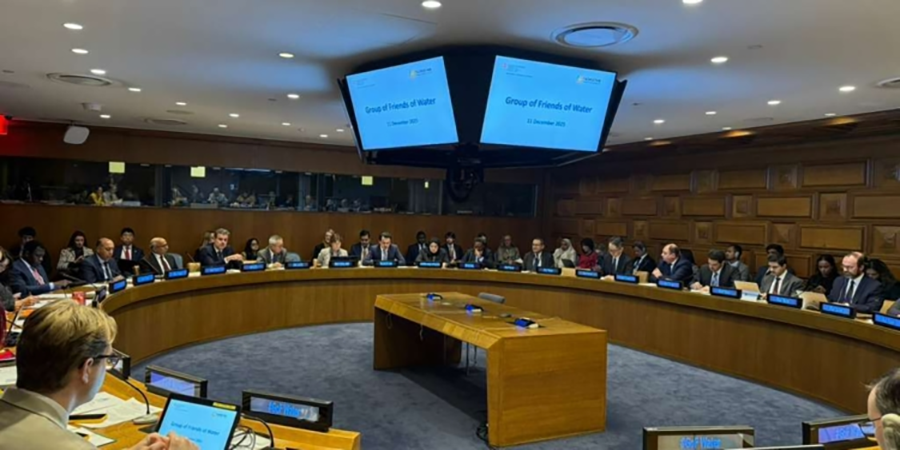
The Permanent Missions of Tajikistan and Switzerland held a meeting of the "Group of Friends of Water", discussing global challenges to water security and preparations for upcoming conferences, including the UN Water Conference in Tajikistan in 2028 (New York, 11 December). The International Forum dedicated to the 80th anniversary of the United Nations, “The United Nations and Global Initiatives of the Republic of Tajikistan: Cooperation for Sustainable Development», was held in Dushanbe (27 September).
UNESCO. At the 47th session of the UNESCO World Heritage Committee, 11 monuments of the cultural heritage of the Ancient Khuttal Site were inscribed onto the World Heritage List (Paris, 12 July). In addition, during the 43rd session of the UNESCO Conference, at the initiative of Tajikistan and the Islamic Republic of Iran, the resolution "Cyrus Manifesto: An Early Charter of Human Rights and Cultural Diversity" was adopted (Samarkand, 6 November).
SCO. The Republic of Tajikistan took an active part in key SCO events: (1) 5th Meeting of SCO Member States’ Energy Ministers (Ningbo, China, 26 June); (2) SCO Council of Foreign Ministers (Tianjin, China, 14-15 July); (3) 25th Council of Heads of SCO Member States State and the SCO Plus Meeting (Tianjin, China, 1 September); (4) 24th Meeting of the Council of Heads of Government of SCO Member States (Moscow, 18 November), etc.
The Expert Session “Tajikistan – SCO: Water Initiative, commemorating the Proclamation of 2025 as the International Year of Glaciers’ Preservation” was held . The event was organised by BRICS and SCO Innovation Diplomacy Centre, as well as the Youth Society of Students of Tajikistan in St. Petersburg (St. Petersburg, 24 April).
Sources
Official sites of: President, Ministry of Foreign Affairs, Ministry of Economic Development and Trade, Ministry of Justice, Ministry of Energy and Water Resources, Ministry of Agriculture, Committee for Emergency Situations and Civil Defense, Committee for Environmental Protection, Agency for Land Reclamation and Irrigation, Agency for Hydrometeorology, Executive Committee of IFAS, "Center for Glacier Research of the National Academy of Sciences of Tajikistan", Dushanbe Water Process
Information agencies and sites:
khovar.tj; dialog.tj; east-fruit.com; tajikta.tj; avesta.tj; tj.sputniknews.ru; fergana.agency; sugdnews.com; eco.uz; spinform.ru
Development and support
Scientific-Information Center ICWC